Poravinexel
Plan Right
Research the Ship
The ship you sail on matters as much as the destinations it visits. Different vessels carry distinct personalities — some are built for high-energy entertainment, others for quiet sophistication. Reading passenger reviews, understanding the ship's age and recent refurbishment history, and reviewing the onboard facilities against your personal priorities gives you a far clearer picture than marketing materials alone ever will.
Understand Port Schedules
Every port on a cruise itinerary comes with a specific arrival time, a departure deadline, and a set of shore options ranging from organised excursions to independent exploration. Understanding how much time you actually have at each destination — accounting for tender times at ports where the ship anchors offshore — allows you to plan each day realistically rather than discovering limitations after you have already committed to a plan.

Manage Onboard Spending
The base cruise fare covers accommodation, meals, and most onboard activities, but certain expenses accumulate outside that scope. Specialty dining, premium beverage packages, spa treatments, and casino activity all sit outside the standard fare. Setting a realistic daily budget for discretionary onboard spending before you board prevents the kind of end-of-voyage surprise that takes the shine off an otherwise excellent trip.
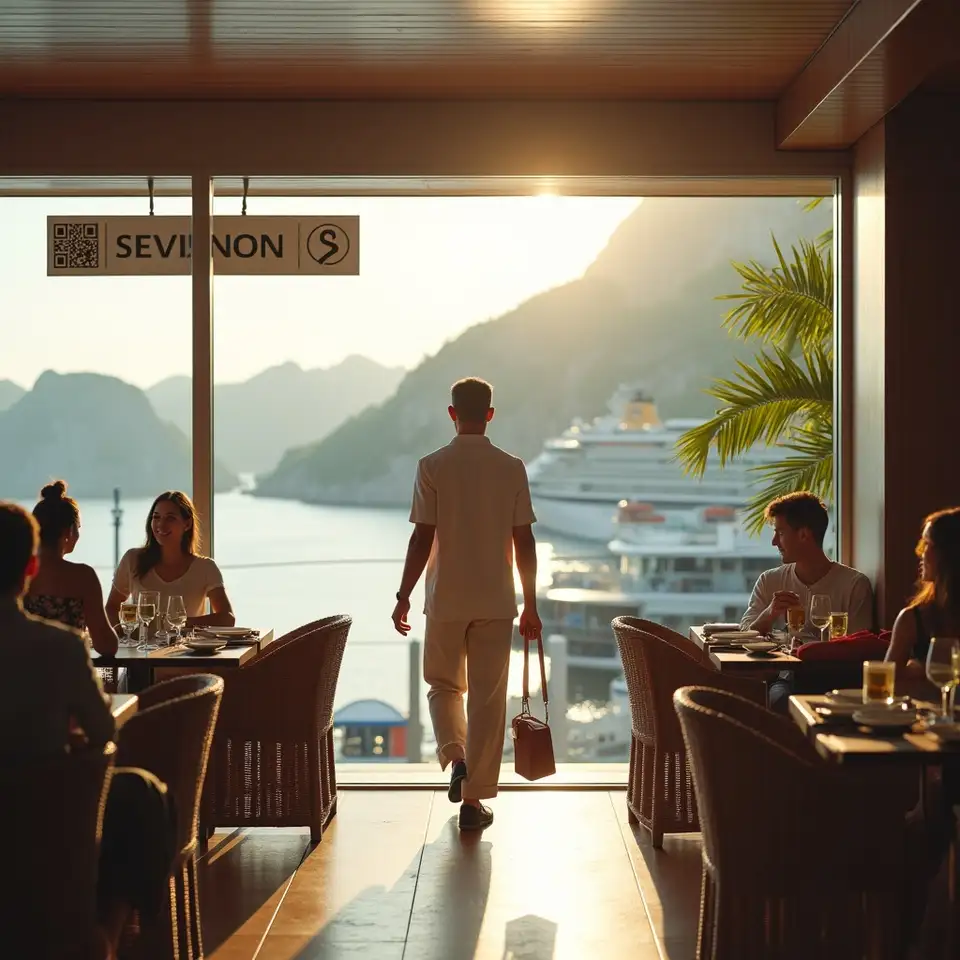
Good cruise planning is not complicated — it is simply a matter of working through the right questions in the right order. Poravinexel walks you through that process from start to finish, so you board your ship with confidence and clarity.

Family Cruising
The ship handles the logistics so your family can focus entirely on each other.
Family cruise holidays work because the ship solves the problems that make multi-destination travel with children genuinely difficult. Accommodation moves with you, meals are always available, and age-appropriate activities run throughout the day without requiring parents to organise anything beyond showing up. For Malaysian families considering their first international cruise, Southeast Asian itineraries offer a compelling combination of accessibility, cultural richness, and the kind of onboard variety that keeps travellers of every age engaged from departure to return.
Get Started
Solo Voyaging
Travelling alone on a cruise is not a compromise — it is a genuinely distinct way to see the world.
The assumption that cruise travel is built exclusively for couples and families misses a significant part of the story. Solo cruising has grown steadily as an independent category, with cruise lines increasingly designing programmes, social spaces, and cabin configurations specifically for passengers travelling alone. The structured social environment of a ship — shared dining, group excursions, and communal evening entertainment — means solo travellers have as much or as little company as they choose on any given day. For Malaysian travellers considering their first solo voyage, a regional Southeast Asian itinerary offers a familiar cultural backdrop with all the logistical support of a well-run ship.
Book NowDefining Moments That Only Happen at Sea
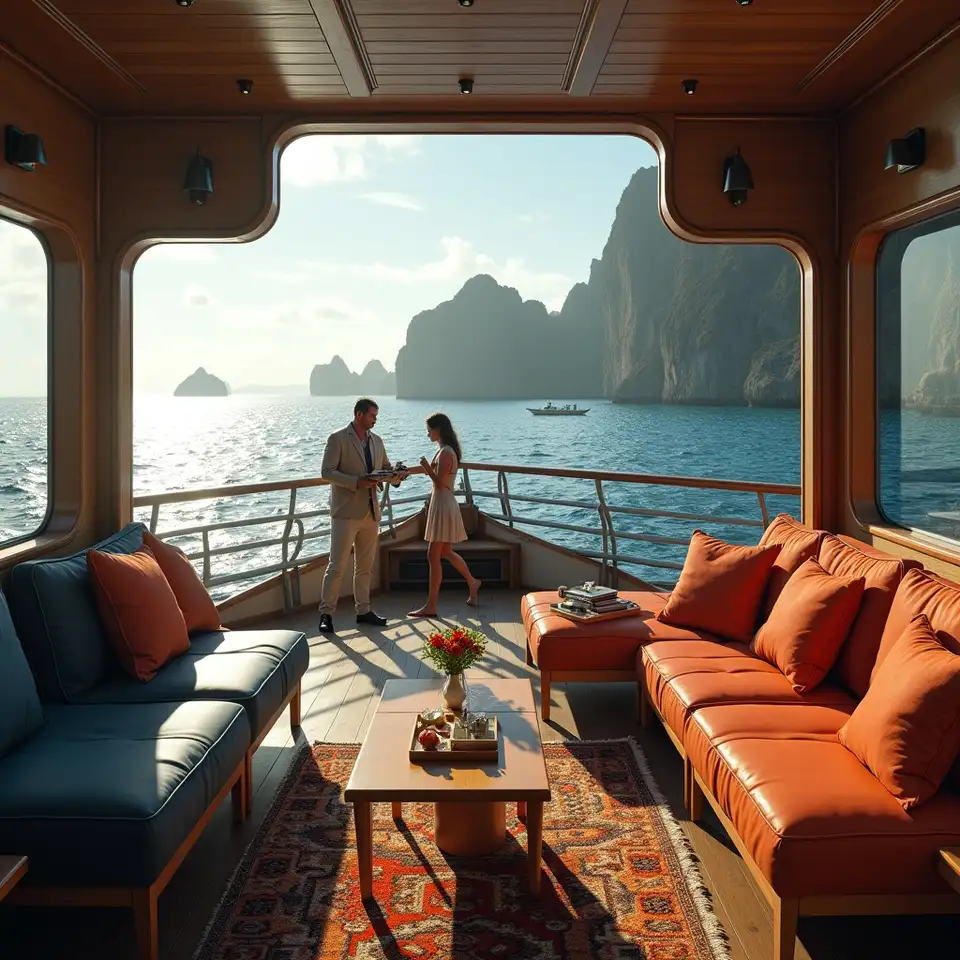
Komodo Island — Where the Landscape Feels Prehistoric
Arriving at Komodo by tender, with volcanic ridgelines visible from the water and the knowledge that the island's famous inhabitants are somewhere in the scrub above the beach, is an experience that stays with a traveller long after the ship has moved on. It is the kind of destination that makes cruise itinerary planning feel genuinely worthwhile.
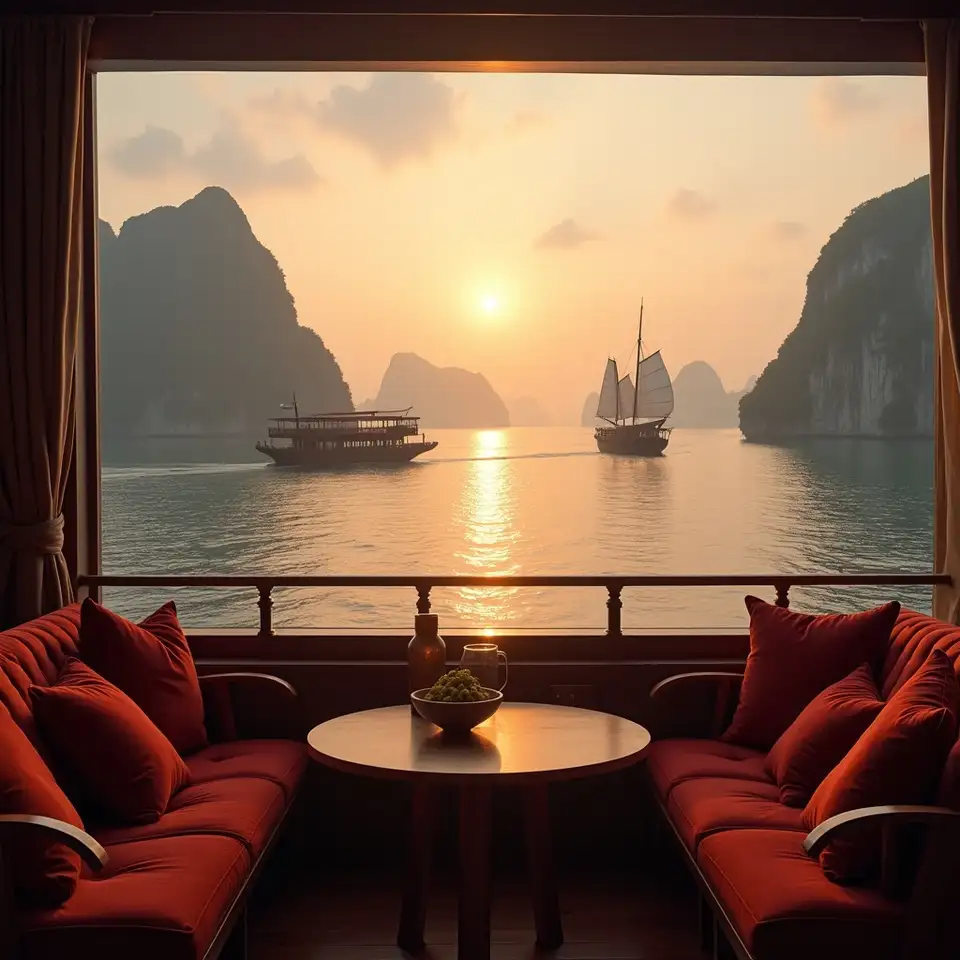
Ha Long Bay at Dawn — A Scene Worth Waking Early For
The morning light over Ha Long Bay arrives slowly, burning through the mist to reveal limestone karsts in stages. Watching this from a ship deck with coffee in hand — as the bay comes into focus around you — is one of those moments that justifies the entire voyage. No photograph captures it as well as simply being there does.
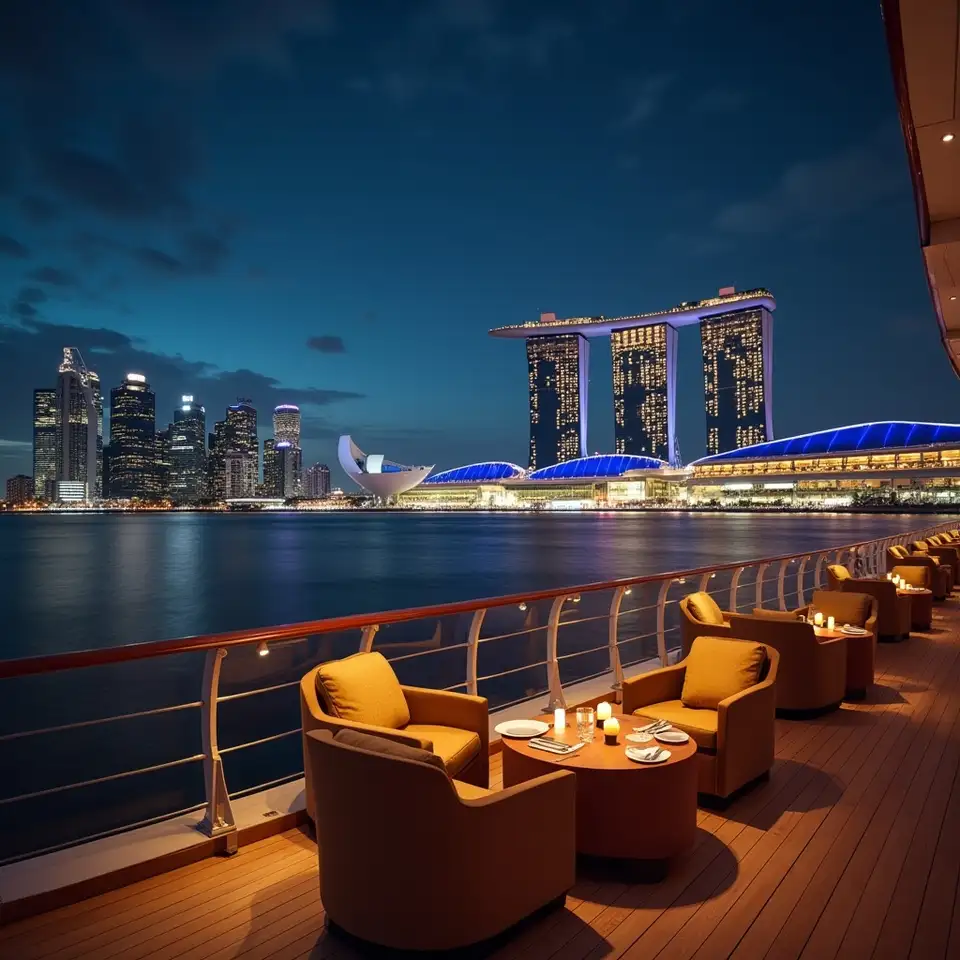
Arriving in Singapore by Sea — the Skyline Earns Its Reputation
Singapore by sea, at night, is one of the great arrival experiences in Asian travel. The city's skyline emerges from the dark water with a clarity and scale that the airport approach cannot match. For cruise passengers, it is a reminder that the journey itself — not just the destination — is very much part of what they came for.
What Every Cruise Traveller Should Expect
The gap between a forgettable cruise and a genuinely memorable one comes down to preparation. These are the fundamentals that shape every voyage, from the moment you board to the day you disembark at your home port.
A Daily Routine That Feels Like a Holiday
Life on a cruise ship follows a rhythm that most travellers find genuinely restorative. Mornings begin with open water or a new port appearing on the horizon, afternoons move between shore exploration and onboard relaxation, and evenings bring dining and entertainment without the effort of organising any of it yourself. That structure, paradoxically, is what makes a cruise feel so free.
Daily rhythm
Service Standards That Raise the Bar Consistently
Cruise ship crews are trained to a service standard that most land-based hospitality operations struggle to match consistently. Cabin attendants, restaurant staff, and guest services teams work across extended contracts with a single focus: ensuring every passenger feels genuinely looked after. That concentrated service environment is one of the most underappreciated advantages of ocean travel.
Attentive service
Entertainment Programmes Designed for Every Preference
A well-run cruise ship programmes its evenings with genuine variety — live theatre, musical performances, comedy, and themed events that give passengers real choices rather than a single default option. Sea days add daytime activities, guest speakers, and culinary demonstrations that fill the hours between ports with experiences worth showing up for.
Varied entertainment
Wellness Facilities That Complement the Journey
Spas, fitness centres, swimming pools, and wellness programmes are standard on modern ocean liners, and the best ships design these spaces to complement the travel experience rather than merely exist alongside it. A morning workout with open ocean visible through floor-to-ceiling windows, or an afternoon spa treatment as the ship moves toward the next port, is a particular kind of luxury.
Onboard wellness
A Community of Fellow Travellers Worth Meeting
The social dimension of cruise travel is frequently underestimated by first-time passengers. Sharing a voyage with a consistent group of fellow travellers — encountering them at dinner, comparing port experiences, and building familiarity over days at sea — creates a social texture that resort holidays rarely replicate. Many long-term friendships have begun on a cruise ship deck.
Social connection
Southeast Asia by Sea
Southeast Asia is one of the world's most rewarding cruise regions, and Malaysian
travellers are uniquely positioned to access it. The geographic diversity of this part
of the world — ancient temples, volcanic landscapes, pristine coastlines, and some of
the most vibrant cities on earth — is precisely the kind of variety that cruise
itineraries are designed to deliver. Itineraries departing from or passing through
Malaysian ports typically cover a circuit that includes Thailand, Vietnam, Singapore,
Indonesia, and the Philippines in varying combinations. Each destination brings a
distinct cultural and culinary identity. A single voyage can move from the street food
lanes of Penang to the lantern-lit old town of Hoi An, from the organised dynamism of
Singapore to the rice terraces and temple complexes of Bali. No other form of travel
covers that range with the same efficiency and comfort. The best time to cruise
Southeast Asian waters runs from November through to early March, when conditions across
the region are most consistent. Outside of this window, weather patterns vary by
sub-region — the South China Sea, the Andaman Sea, and the waters around Indonesia each
have their own seasonal character. Planning your voyage around these patterns, rather
than simply around availability, produces a noticeably better outcome in terms of
port-day weather and overall comfort. Poravinexel helps Malaysian travellers build Southeast
Asian cruise itineraries that make sense — matching ship, route, and timing to what you
actually want from the experience. The region rewards those who approach it
thoughtfully, and we are here to make sure your planning reflects that.
Three Principles That Define a Well-Planned Cruise Voyage
Every memorable cruise shares the same foundation: the right ship, the right itinerary, and the right preparation. These three principles are not abstract ideals — they are practical checkpoints that determine whether your voyage delivers what you are hoping for.
Match the Ship to Your Personal Travel Style
A ship that suits one traveller will frustrate another. The onboard atmosphere, the scale of the vessel, the entertainment philosophy, and the service culture all vary significantly across cruise lines and individual ships. Identifying what you genuinely value in a travel experience — before you look at any itinerary — is the step that most travellers skip and later regret.
Build an Itinerary Around What You Actually Want to See
Cruise itineraries are not interchangeable. Port selection, time in each destination, the balance between sea days and port days, and the overall routing all shape the character of the voyage. A route that covers five destinations in seven days feels completely different from one that visits three ports with longer stays and more time to explore independently ashore.
Prepare Thoroughly and Depart With Confidence
Documentation, insurance, currency, packing, pre-booked shore excursions, and dining reservations — the travellers who handle these details before departure consistently report higher satisfaction with their overall experience. Preparation is not excessive caution; it is the practical work that allows you to be fully present from the moment the ship leaves port.