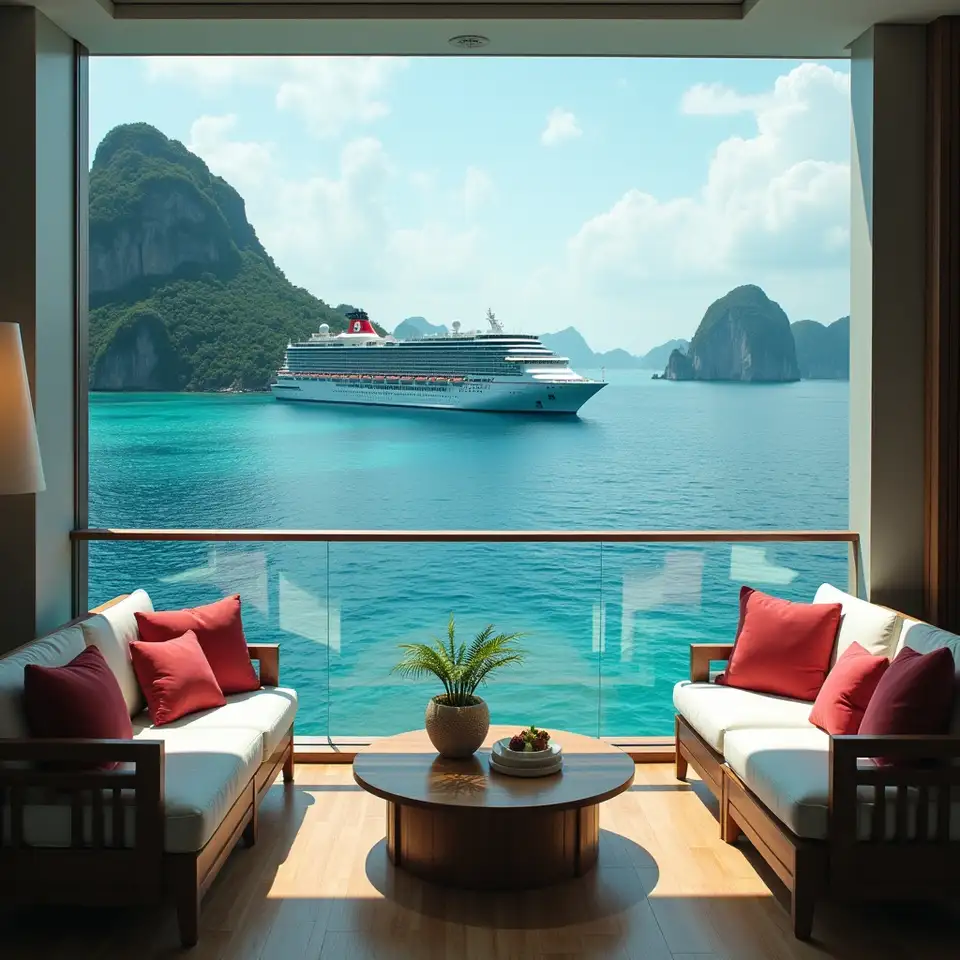
Plan Your Route

Choose Your Region

The world's cruise regions each carry a distinct character that shapes every element of the voyage. Southeast Asia delivers cultural density and tropical warmth. The Mediterranean offers ancient history and culinary depth. The Caribbean provides reef diving, white sand beaches, and a relaxed pace that suits travellers who want their holiday to feel genuinely unhurried. Starting with the region that matches your current travel appetite is the most useful first decision you can make.

Set Your Duration

Cruise holidays range from three-night regional getaways to extended world voyages lasting several months. For Malaysian travellers new to cruising, a seven to ten night Southeast Asian itinerary strikes the right balance — enough time to visit multiple destinations meaningfully without committing to a longer voyage before you understand your own preferences at sea. Duration also has a direct bearing on budget, so setting this early simplifies every subsequent planning decision.

Couple planning cruise route with agent
Aerial view of cruise ship at sea

Match Ship to Style

The ship you choose shapes the onboard experience as much as the destinations it visits. Large resort-style ships deliver entertainment variety and a lively social atmosphere. Smaller vessels offer quieter, more intimate voyages with access to ports that larger ships cannot enter. Reviewing what each ship emphasises — its dining philosophy, entertainment format, cabin configuration, and passenger demographic — before booking prevents the kind of mismatch that is impossible to correct once you are already at sea.

Lock In the Details

Once the route, duration, and ship are confirmed, the practical details follow a clear sequence. Cabin category, dining preferences, shore excursion priorities, documentation requirements, and travel insurance all need to be addressed before departure. Passengers who work through these elements methodically in advance arrive at the port relaxed and ready, rather than managing avoidable complications on what should be the most stress-free form of international travel available.


Shore Day Strategy

Travellers exploring local market on shore
1

Arrive With a Plan

A port day without a clear plan is a port day that frequently underdelivers. Knowing in advance what each destination offers — its must-see landmarks, its best local food, its cultural context — allows you to move through a shore stop with purpose. Travellers who research each port before departure consistently extract more from their time ashore than those who decide what to do once the gangway opens.

2

Excursion vs. Independent

The choice between a ship-organised excursion and independent exploration is not a binary one between safety and freedom — it is a practical decision that should vary by destination. In ports with complex logistics, limited English signage, or tight timing windows, a structured excursion removes friction and guarantees you return to the ship on schedule. In walkable, well-signposted ports, independent exploration often delivers a richer and more authentic experience at considerably lower cost.

Manage Your Time

Every port comes with a hard departure deadline. Missing the ship is not a dramatic inconvenience — it is a logistical and financial problem that requires independent travel to the next port at your own expense. Building a comfortable buffer between your planned return to the dock and the ship's actual departure time is a discipline that experienced cruise travellers apply without exception, regardless of how straightforward a particular port stop appears on the surface.

Capture the Culture

The most rewarding port experiences are not always the most obvious ones. A local market visited early before the tourist crowds arrive, a neighbourhood restaurant recommended by a crew member who knows the port well, or a heritage district explored on foot rather than by tour bus — these are the encounters that tend to define a voyage in retrospect. Cruise travel gives you the access; your approach to each port determines whether you use it well.

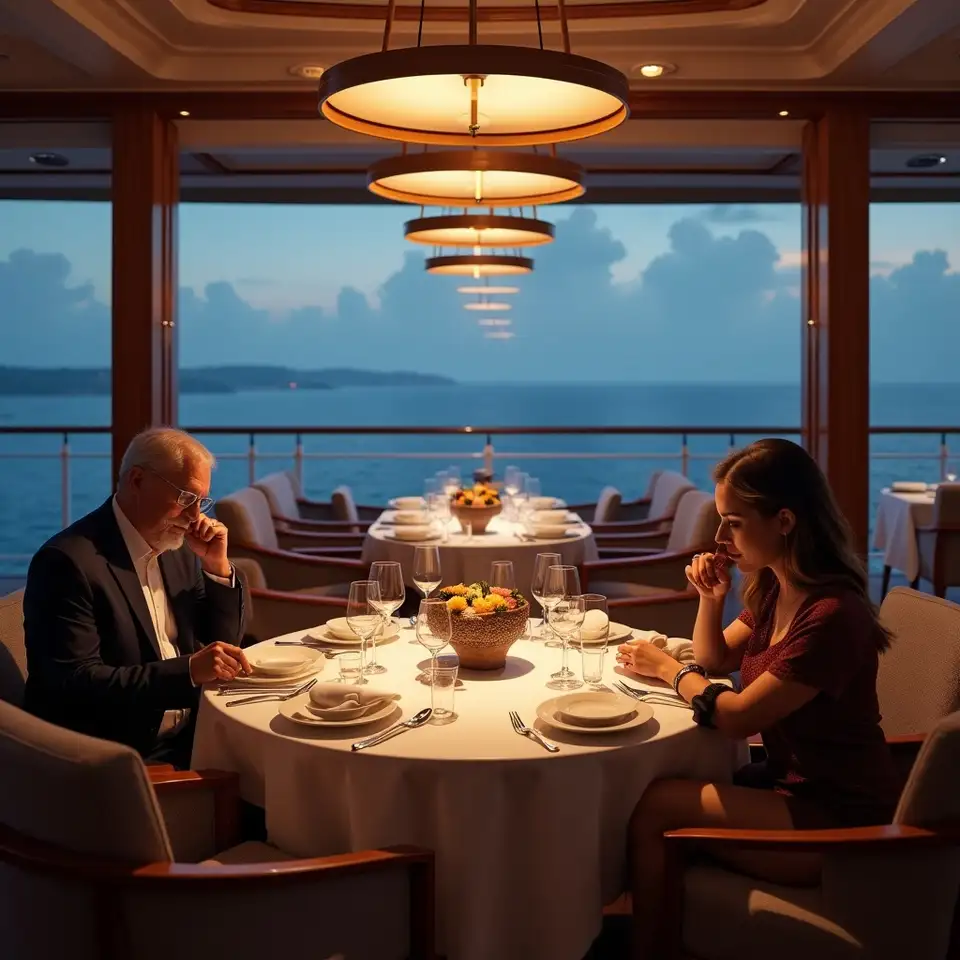
Elegant cruise ship specialty restaurant with ocean view

Onboard Dining

The best tables on a cruise ship are reserved weeks before departure — not the night you want them.
Dining on a modern cruise ship spans a wider range than most first-time passengers anticipate. The main restaurant delivers multi-course meals with a rotating menu and a social atmosphere that suits passengers who enjoy the rhythm of assigned dining. Specialty restaurants raise the culinary ambition considerably — dedicated steakhouses, Asian fusion venues, and chef's table experiences that require advance booking and an additional cover charge. Buffet options provide flexibility for casual meals and early port-day breakfasts. Understanding what each dining format offers, and making reservations before you board, ensures you spend your evenings at tables you actually chose rather than whatever happens to be available.
Book Now

Cruise Regions That Reward Closer Exploration

Four Practical Reasons Cruise Travel Makes More Sense Than You Might Think

1

You Unpack Once and Wake Up Somewhere New Each Day

Multi-destination land travel requires constant repacking, rebooking, and repositioning. A cruise removes all of that. Your cabin stays the same while the world outside your porthole changes daily — a logistical advantage that becomes more valuable the longer the itinerary runs.

2

The All-Inclusive Fare Simplifies Your Holiday Budget Significantly

Accommodation, meals, entertainment, and inter-destination transport are bundled into a single cruise fare. That cost clarity makes budgeting for a cruise voyage far more straightforward than assembling the equivalent from separate components booked independently across multiple countries.

3

Every Port Is Planned So You Can Focus on Actually Enjoying It

Shore excursion logistics, port timings, and return schedules are managed by the ship, removing the coordination burden that makes multi-country independent travel genuinely exhausting. You arrive informed, you explore effectively, and you return on time — without having organised any of it yourself.

4

The Ship Solves the Family Travel Problem That Every Parent Knows

Keeping children engaged across multiple destinations while managing accommodation, meals, and logistics is the defining challenge of family travel abroad. A cruise centralises all of it — kids' programmes run throughout the day, dining is always available, and the cabin is a consistent, comfortable base that removes the friction from every day of the voyage.

Cruise Travel Trends

The cruise industry has evolved considerably over the past decade, and the changes are worth understanding before you book. Ships have grown larger, onboard programming has become more sophisticated, and the range of destinations served by cruise itineraries has expanded to include regions that were previously the exclusive territory of expedition operators and adventure travellers. Sustainability has become a genuine operational priority across the major cruise lines, with investments in cleaner fuel technology, single-use plastic reduction, and port community engagement programmes that go beyond surface-level commitments. For environmentally conscious travellers, understanding how a particular cruise line approaches these questions is a reasonable part of the selection process. The rise of expedition cruising has opened remote destinations — from the Antarctic Peninsula to the far reaches of the Norwegian archipelago — to a broader range of travellers than ever before. These are no longer purely the Poravinexel of specialist operators; mainstream premium lines have launched their own expedition vessels, bringing the logistical support and onboard comfort of a larger ship to itineraries that were previously far more austere. For Malaysian travellers, the most relevant trend is the continued growth of Southeast Asian cruise capacity. More international lines are including regional ports in their seasonal schedules, and the range of ships operating in these waters has expanded to cover everything from large resort liners to intimate boutique vessels. The result is a wider set of genuine choices for travellers departing from or arriving into Malaysian ports — and that range of options rewards those who approach the selection process with clarity about what they actually want.

What Experienced Cruise Travellers Know That First-Timers Often Discover Too Late

First-time cruise passengers frequently board with assumptions that experienced voyagers learned to correct years ago. Understanding how a cruise ship actually operates — its social rhythms, its dining dynamics, its shore day logic, and its onboard spending patterns — allows you to make decisions that improve the entire experience from the first morning to the final disembarkation.

Sea Days Are Not Dead Time — They Are the Point

Many first-time cruisers view sea days as gaps between destinations. Experienced passengers know they are often the most enjoyable days of the voyage — unhurried mornings, access to every onboard facility without the pressure of a port schedule, and the particular pleasure of watching open ocean from a comfortable deck chair with no particular agenda.

Specialty Dining Reservations Fill Up Faster Than You Expect

The best specialty restaurants on a cruise ship are popular from the moment boarding begins. Passengers who wait until they are settled onboard to think about dining reservations frequently find the most sought-after venues already fully booked for the voyage. Making reservations as early as the cruise line allows is a habit that experienced cruisers treat as standard practice without exception.

Not Every Port Rewards the Same Approach to Exploration

Some ports are best explored with a structured excursion and a knowledgeable guide. Others are compact, walkable, and perfectly suited to independent wandering with no fixed agenda. Applying the same approach to every port stop — whether always booking excursions or always going it alone — misses opportunities that a more considered, destination-specific strategy would have captured.

Loyalty Programmes Deliver Meaningful Benefits Over Multiple Voyages

Most major cruise lines operate tiered loyalty programmes that accumulate benefits across multiple sailings. Priority boarding, cabin upgrades, specialty dining credits, and onboard spending allowances are among the perks available to returning passengers. Travellers who plan to cruise regularly are well served by understanding which line's programme aligns best with their long-term travel intentions before committing to their first voyage.

How We Use Cookies on Poravinexel

Poravinexel.com uses cookies to ensure the website functions correctly, to understand how visitors engage with our content, and to deliver a more relevant experience across your visit. We do not sell your data to third parties. You can accept all cookies, reject non-essential ones, or review our full Cookie Policy to understand exactly what each category does before making your choice.

Essential Cookies Required

These cookies are necessary for the website to operate correctly and cannot be switched off without affecting core site functionality during your visit.

Analytics Cookies for Insights

These cookies collect anonymised information about how visitors use poravinexel.world, helping us improve content and navigation over time without identifying individuals.

Functional Cookies for Preferences

These cookies remember choices you have made on previous visits, such as language or regional settings, to provide a more consistent and personalised experience.

Marketing Cookies for Relevance

These cookies help us and our partners deliver content more relevant to your cruise travel interests based on your browsing activity on this and other websites.